
East Africa’s Oil Future: From Uganda’s Fields to Somalia’s Offshore Frontier
East Africa’s oil story is entering a defining moment. As Somalia joins Uganda, Kenya, and South Sudan in the race for energy development, the region faces a critical question: can oil become a foundation for prosperity, or will history repeat the mistakes of other resource-rich nations?
The Region Sitting on a Historic Opportunity
For decades, East Africa’s economic story has been shaped by agriculture, trade, population growth, and development challenges. The region has often been described as one of the world’s most promising emerging markets, yet its economies have remained constrained by limited industrial capacity, energy shortages, and dependence on imported fuel.
That story is beginning to change.
Across the region, a new energy landscape is emerging. Uganda is moving toward commercial oil production. Kenya continues to explore its petroleum potential. South Sudan remains dependent on oil exports as the foundation of its economy. Somalia, after years of political instability, has entered a new phase of offshore exploration that could reshape its economic future.
The discovery and development of petroleum resources has created a historic question for East Africa:
Will oil become the foundation for transformation, or another example of resources that failed to improve people's lives?]
The answer will not be determined by the size of oil reserves beneath the ground. It will be determined by institutions, leadership, transparency, and whether governments use temporary resource wealth to build permanent economic strength.
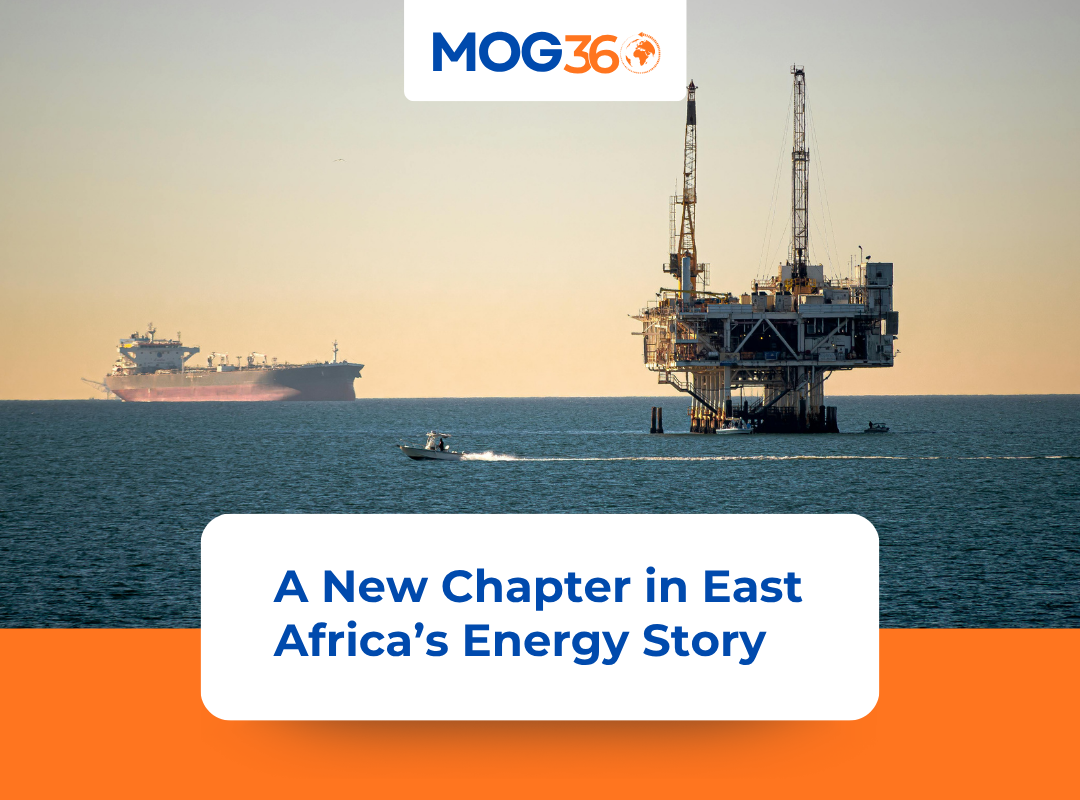
A New Energy Map Is Emerging Across East Africa
East Africa is not becoming an oil region overnight. Each country is following a different path, with different opportunities and challenges.
Uganda: The First Major Test of East Africa’s Oil Ambition
Uganda represents the region’s most advanced oil development project.
The discovery of commercially viable petroleum reserves in the Lake Albert region created expectations that Uganda could become one of Africa’s important oil producers. The country has partnered with international energy companies to develop oil fields and build infrastructure connecting production areas to international markets.
At the centre of this strategy is the East African Crude Oil Pipeline (EACOP), a major infrastructure project designed to transport crude oil from western Uganda through Tanzania to the port of Tanga on the Indian Ocean.
For Uganda, oil represents a potential economic turning point.
Government revenues from petroleum could support infrastructure development, industrial growth, and energy security. However, Uganda’s experience also demonstrates a fundamental reality:
Oil production does not automatically create development.
Countries that successfully benefit from natural resources are those that invest revenues into productive sectors rather than allowing wealth to disappear through corruption, mismanagement, or political competition.
Uganda’s oil journey will therefore be measured not only by how many barrels it produces, but by what those barrels achieve.
South Sudan: Oil Wealth Without Economic Transformation
South Sudan has one of the most oil-dependent economies in the world.
Since gaining independence in 2011, petroleum has remained the country’s main source of government revenue and foreign exchange. Oil exports have provided essential income, but political instability and conflict have repeatedly disrupted production and damaged economic development.
South Sudan’s experience offers one of East Africa’s most important lessons:
Natural resources can create income, but they cannot create stability by themselves.
Without strong institutions, oil revenues can increase competition for power instead of improving national development.
For East Africa’s new producers, including Somalia, South Sudan represents both an opportunity and a warning.
Kenya: The Promise of Oil That Has Taken Longer Than Expected
Kenya’s oil story began with excitement after discoveries in Turkana County revealed significant petroleum potential.
The discovery created hopes that Kenya could join the ranks of oil-producing nations and reduce its dependence on imported energy.
However, commercial production has faced delays due to infrastructure challenges, investment decisions, market conditions, and questions about transportation costs.
Kenya’s experience highlights another important lesson:
Finding oil is easier than building a successful oil industry.
A country needs pipelines, skilled workers, regulatory institutions, environmental standards, and a stable investment environment.
Somalia: The Country Searching for Energy Independence
Among East Africa’s emerging energy stories, Somalia’s may be the most significant.
For decades, Somalia’s natural resources remained largely unexplored because of civil conflict, weak institutions, and security challenges. Despite having one of Africa’s longest coastlines and a strategic location along the Indian Ocean, the country was unable to fully participate in the global energy economy.
That is now changing.
Somalia has entered a new phase of offshore oil exploration through cooperation with Türkiye. In 2026, Türkiye’s seismic and drilling activities in Somali waters marked a historic moment: Somalia moving from geological potential toward actual exploration.
For a country that has spent decades rebuilding state institutions, petroleum represents more than an economic opportunity.
It represents a test of national capacity.
Successful oil development could provide Somalia with:
• increased government revenue, • infrastructure investment, • new industries, • energy security, • skilled employment, • and stronger economic independence.
But Somalia must approach this opportunity carefully.
Oil has transformed some countries. It has also damaged others.
The difference has always been governance.
Why Somalia’s Geography Matters Beyond Oil
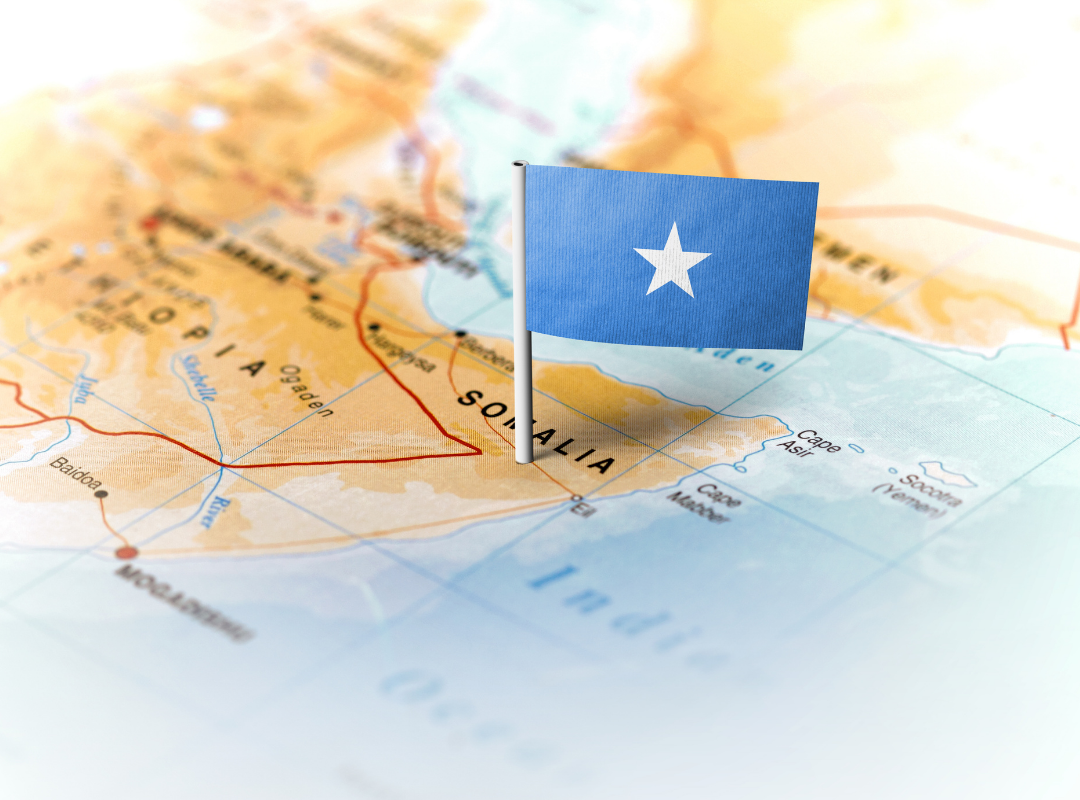
Somalia’s potential energy importance is not only about what lies beneath the sea.
The country occupies one of the most strategically important locations in Africa.
Its coastline stretches along the Indian Ocean near major global shipping routes connecting Asia, the Middle East, and Europe.
This creates opportunities beyond petroleum:
• maritime trade, • port development, • logistics, • fisheries, • energy services, • and regional connectivity.
If managed correctly, Somalia’s energy sector could become part of a wider economic transformation.
The future may not simply be about exporting crude oil.
It could be about building an entire energy economy.
The Global Competition Around East Africa’s Energy Future
East Africa’s energy developments are attracting increasing international attention.
Türkiye has strengthened its role in Somalia through energy and security cooperation. Gulf countries have expanded their investments in ports and logistics. China continues to play a major role in African infrastructure. Western energy companies remain interested in emerging petroleum markets.
The reason is simple:
East Africa sits at the intersection of energy demand, trade routes, and geopolitical competition.
The Horn of Africa is no longer viewed only through the lens of security challenges.
It is increasingly becoming a region of strategic economic importance.
The Resource Curse: The Mistake East Africa Must Avoid
History has shown that natural resources can create two very different futures.
Some countries have transformed oil wealth into national prosperity.
Norway used petroleum revenues to build a sovereign wealth fund designed to benefit future generations.
Other countries discovered enormous oil reserves but experienced corruption, inequality, and economic dependence.
The difference was not geology.
It was governance.
East Africa must avoid the belief that oil alone will solve development challenges.
Oil revenues should not replace economic planning. They should support it.
The Future Cannot Depend Only on Oil
The biggest mistake East African countries could make is believing petroleum is the final destination.
Oil prices rise and fall. Global energy systems are changing. Renewable energy and technology will increasingly shape the future economy.
The countries that succeed will be those that use oil as a temporary advantage to build a more diversified economy.
For Somalia, this means using energy revenues to strengthen sectors that already have potential:
The first barrel of oil will not transform Somalia.
What happens after that barrel will.
Conclusion: The Resource Beneath the Ground Is Only Half the Story
East Africa is entering a defining decade.
Uganda, Kenya, South Sudan, and Somalia represent different stages of the same journey: the search for energy security and economic transformation.
But oil does not create successful countries.
Countries create successful outcomes from oil.
The region’s greatest challenge will not be discovering resources. It will be building the institutions capable of managing them.
For Somalia, the beginning of offshore drilling is not the end of a journey. It is the beginning of a responsibility.
The question is not whether East Africa has oil
The question is whether East Africa can build a future worthy of it.
Türkiye Ministry of Energy and Natural Resources https://enerji.gov.tr Information on Türkiye–Somalia energy cooperation and offshore drilling activities. Anadolu Agency https://www.aa.com.tr Reports on Türkiye’s offshore drilling activities in Somalia. Reuters https://www.reuters.com Coverage of Somalia’s energy cooperation and regional energy developments.
Uganda Oil & EACOP
Uganda Ministry of Energy and Mineral Development https://www.energyandminerals.go.ug Uganda petroleum development plans. East African Crude Oil Pipeline (EACOP) https://eacop.com Pipeline project information. Reuters https://www.reuters.com Coverage of Uganda’s oil production and pipeline development.
Kenya Oil
Kenya Ministry of Energy and Petroleum https://www.energy.go.ke Petroleum sector information. Tullow Oil https://www.tullowoil.com Kenya exploration information.
South Sudan Oil
Reuters Africa https://www.reuters.com/world/africa/ South Sudan oil production and export reporting. Energy Information Administration (EIA) https://www.eia.gov Country energy profiles and production data.
Global Energy & Development Context
International Energy Agency (IEA) https://www.iea.org Global energy transition analysis. World Bank https://www.worldbank.org Economic development and resource management research. Extractive Industries Transparency Initiative (EITI) https://eiti.org Natural resource governance standards.
Join the debate
By commenting you agree to our Community Guidelines: argue the point, not the person.